
There are places you visit, and then there are places that stay with you long after you’ve left. In the heart of Kerala’s Western Ghats lie two such destinations—Wayanad and Idukki. Wrapped in layers of mist, drenched in monsoon magic, and alive with the whispers of forests, these hill districts offer more than just scenic beauty—they offer an experience of slowing down.
Wayanad greets you like a gentle poem—lush, welcoming, and easy to explore. Idukki, on the other hand, unfolds like an epic—raw, dramatic, and deeply immersive. From hidden caves and cascading waterfalls to towering peaks and silent valleys, every turn feels like stepping into a postcard.
If you’ve ever longed to escape the noise and reconnect with nature, Wayanad and Idukki are not just destinations—they are feelings waiting to be discovered.
The Allure of Wayanad: Soft Adventures and Timeless Green
Wayanad is often described as Kerala’s most approachable hill destination, and for good reason. The moment you enter its winding roads lined with spice plantations and dense forests, the pace of life begins to slow. It’s the kind of place where mornings begin with mist rolling over hills and evenings end with the sound of crickets under a starry sky.
One of Wayanad’s most fascinating attractions is Edakkal Caves, where ancient petroglyphs etched into stone tell stories from thousands of years ago. The trek up is not overly difficult, making it accessible to most travelers, yet rewarding enough to feel like an adventure. Standing at the top, looking out over the valleys, you feel a quiet connection to history and nature.
Waterfalls are another defining feature of Wayanad. Soochipara Falls, with its three cascading tiers, is both powerful and serene. Surrounded by thick forest, it offers a refreshing escape, especially during or just after the monsoon season. The journey to reach it—through narrow forest paths—is as enjoyable as the destination itself.
For those who enjoy trekking, Chembra Peak offers one of the most iconic hikes in Kerala. The heart-shaped lake along the trail has become a symbol of Wayanad’s charm. While the trek requires moderate effort, the views from the top make every step worthwhile.
Wildlife lovers will find solace in the Wayanad Wildlife Sanctuary, part of the larger Nilgiri Biosphere Reserve. Here, elephants roam freely, deer graze quietly, and birdlife thrives in abundance. Even a simple jeep safari can turn into a memorable encounter with nature.
What truly sets Wayanad apart, however, is its balance. It offers adventure without overwhelming the traveler. It provides beauty without demanding too much effort. Whether you’re sipping freshly brewed coffee at a plantation stay or watching the sunset from a quiet viewpoint, Wayanad feels like a gentle embrace.

The Untamed Beauty of Idukki: Where Nature Stuns in Silence
If Wayanad is a gentle introduction to Kerala’s hills, Idukki is the deeper, more intense chapter. Less commercialized and more expansive, Idukki is where nature feels vast, powerful, and almost untouched.
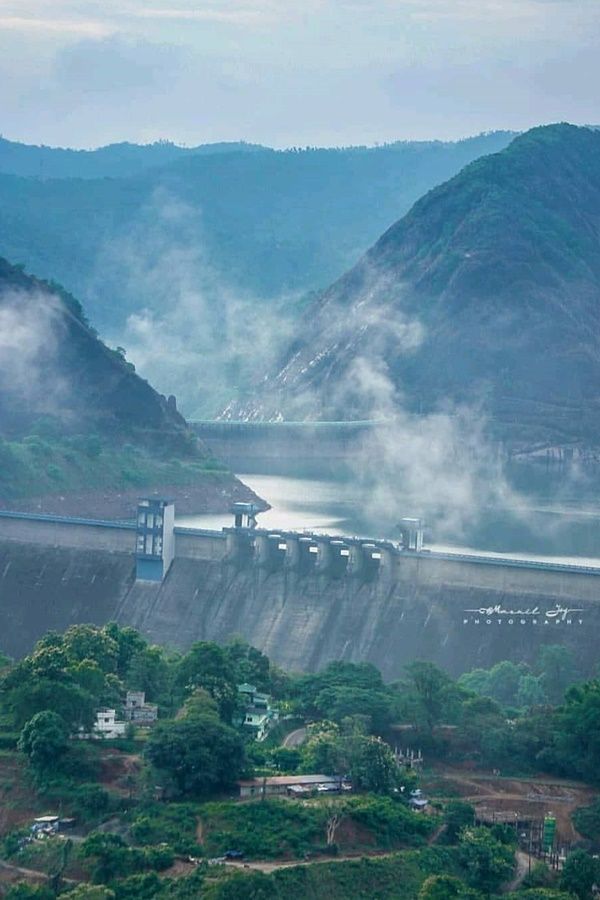
The district is home to the iconic Idukki Dam, an architectural marvel nestled between towering hills. Standing near it, you can feel the scale of both human ingenuity and nature’s grandeur. The surrounding landscape—thick forests, deep valleys, and rolling hills—creates a sense of awe that is hard to describe.
For trekking enthusiasts, Meesapulimala is a dream come true. As the second-highest peak in Kerala, it offers a challenging yet rewarding journey through grasslands and misty ridges. The sunrise from the summit is unforgettable, painting the sky in hues of gold and orange while clouds drift below your feet.
Another gem in Idukki is Ramakkalmedu, known for its strong winds and panoramic views. On clear days, you can see the plains of Tamil Nadu stretching endlessly in the distance. The feeling of standing there, with the wind rushing past, is both exhilarating and humbling.
Nature lovers cannot miss Eravikulam National Park, home to the endangered Nilgiri Tahr. The park’s rolling hills, covered in lush grasslands, create a landscape that feels almost otherworldly. During the blooming of the Neelakurinji flowers, which happens once every twelve years, the hills turn a stunning shade of blue—a rare and magical sight.
What makes Idukki special is its silence. Unlike more crowded tourist destinations, it offers moments of true solitude. Here, you don’t just see nature—you feel it. The stillness, the vastness, and the raw beauty combine to create an experience that stays with you long after you leave.
Two Sides of the Same Soul
While both Wayanad and Idukki belong to the same Western Ghats, their personalities are distinctly different.
Wayanad is welcoming and easygoing. It’s perfect for families, first-time travelers, or anyone looking for a relaxed getaway. Its attractions are well-connected, and its vibe is comforting.
Idukki, in contrast, is more adventurous and less predictable. It requires more planning and a willingness to explore. But for those who seek deeper connections with nature, it offers unmatched rewards.
In many ways, the two destinations complement each other. Wayanad introduces you to the beauty of Kerala’s hills, while Idukki immerses you in their depth.
Choosing Your Escape
Choosing between Wayanad and Idukki is not about deciding which is better—it’s about understanding what you seek.
If you want a peaceful retreat with scenic views, comfortable stays, and gentle adventures, Wayanad is your perfect match. It soothes, refreshes, and leaves you feeling light.
If you crave raw landscapes, thrilling treks, and moments of solitude, Idukki calls out to you. It challenges, inspires, and leaves you in awe.
In the end, both destinations capture the essence of Kerala in their own unique ways. One whispers, the other roars—but both tell stories of nature at its finest.
And perhaps the best choice isn’t choosing at all, but experiencing both—letting Wayanad welcome you, and Idukki transform you.https://payyormala.in/alappuzha-keralas-dream-floating-on-water-and-beach/
Exploring the Highlands of Kerala: Wayanad and Idukki
Kerala is often celebrated for its backwaters and beaches, but its true depth reveals itself in the hills. Far from the coastal calm of places like Alappuzha lies a different world—mist-covered mountains, dense forests, winding roads, and a sense of quiet that feels untouched. Two districts that capture this highland magic perfectly are Wayanad in the north and Idukki in the south.
Though both are hill destinations, they offer distinct experiences. Wayanad feels raw and rooted in history, while Idukki feels expansive and deeply scenic. Together, they form a complete story of Kerala’s mountainous soul.
Wayanad: Nature, History, and Untamed Beauty
Wayanad is a place where nature still feels dominant. The forests are thick, the air is cooler, and the pace of life is slower. It doesn’t try to impress—it simply exists in its natural form.
A Landscape Shaped by Time
Wayanad’s terrain is a mix of rolling hills, dense forests, waterfalls, and plantations. The region is part of the Western Ghats, one of the richest biodiversity hotspots in the world.
Driving through Wayanad, you’ll notice how quickly the scenery changes—tea estates give way to forests, which then open into valleys. It’s a landscape that keeps unfolding.
Edakkal Caves: Echoes of the Past
One of the most fascinating places in Wayanad is the Edakkal Caves. These caves are not just geological formations—they hold ancient carvings believed to date back thousands of years.
Reaching the caves requires a climb, but the effort adds to the experience. Once inside, the engravings tell stories of early human life, making it one of the most historically significant sites in Kerala.
Soochipara and Meenmutty Waterfalls
Wayanad is also home to stunning waterfalls like Soochipara Falls and Meenmutty Falls. Surrounded by thick forest, these falls are especially powerful during the monsoon.
The trek to reach them adds a sense of adventure, making the experience more immersive.
Wildlife and Wilderness
The Wayanad Wildlife Sanctuary offers a chance to encounter elephants, deer, and a variety of bird species. It’s part of the larger Nilgiri Biosphere Reserve, connecting it to other major forests in South India.
Here, nature doesn’t feel curated—it feels wild and unpredictable.
A Place That Feels Grounded
What sets Wayanad apart is its authenticity. It’s less commercialized than many tourist destinations, and that simplicity becomes its strength. Villages, tribal communities, and local traditions are still very much part of the landscape.
Idukki: Vast Views and Serene Escapes
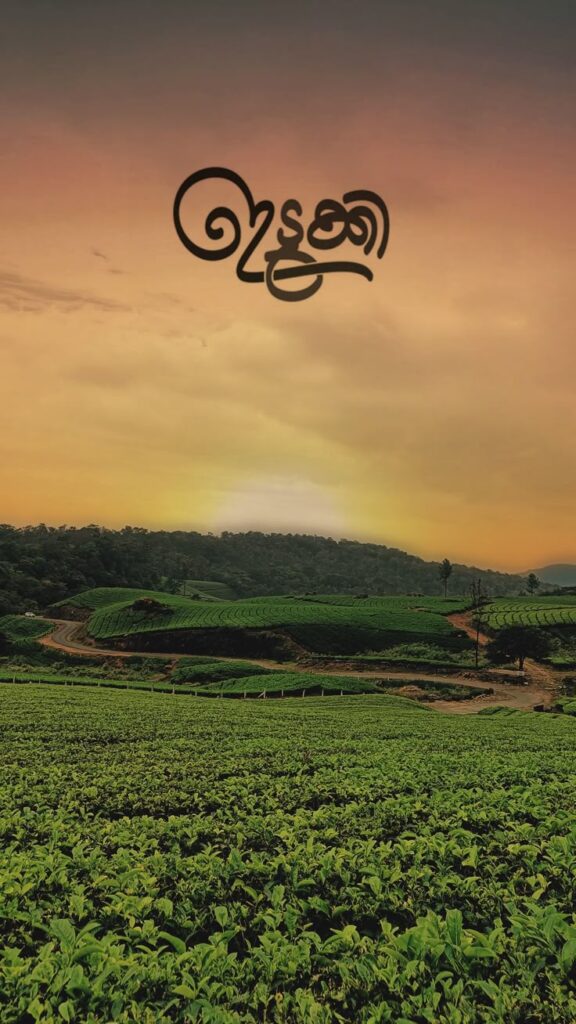
If Wayanad feels dense and earthy, Idukki feels open and expansive. Known for its vast hill ranges, reservoirs, and tea plantations, it offers some of the most breathtaking views in Kerala.
The Power of the Hills
Idukki is defined by its elevation. The roads twist through mountains, revealing viewpoints at every turn. Mist often rolls in without warning, transforming the landscape into something almost dreamlike.
Idukki Arch Dam: Engineering Meets Nature
At the heart of the district lies the Idukki Dam, one of the highest arch dams in Asia. Built between two massive hills, it stands as a remarkable blend of engineering and natural beauty.
The reservoir surrounding the dam adds to the sense of scale and calm.
Munnar: The Crown Jewel
No mention of Idukki is complete without Munnar. Known for its endless tea plantations, Munnar feels like a painting brought to life.
Rolling green hills, neatly lined tea bushes, and cool weather make it one of the most popular hill stations in India. Yet, early mornings and less crowded areas still offer moments of pure tranquility.
Eravikulam National Park
Home to the endangered Nilgiri Tahr, Eravikulam National Park is a must-visit for nature lovers. The park also offers sweeping views of the hills, especially from the higher altitudes.
The Quiet Corners of Idukki
Beyond Munnar, Idukki has quieter destinations like Vagamon and Thekkady. These places are less crowded but equally beautiful, offering rolling meadows, forests, and spice plantations.
The Roads That Define the Journey
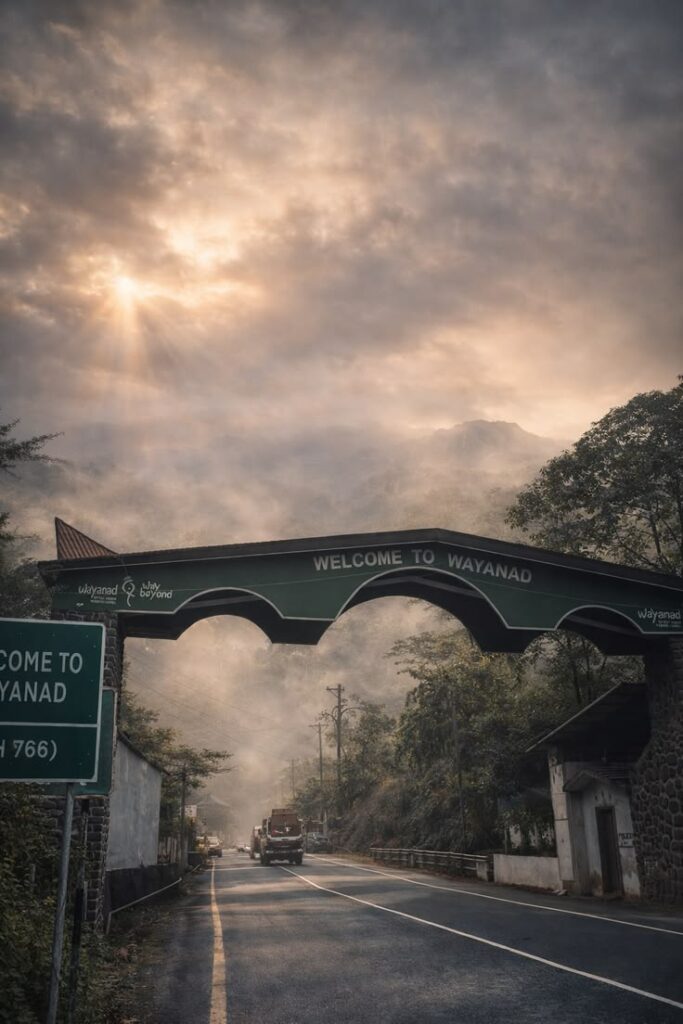
One of the most memorable parts of visiting these regions is the journey itself. The winding ghat roads, lined with forests and steep drops, create a sense of anticipation at every turn.
In Wayanad, roads often cut through thick forests, where sunlight filters through dense canopies. You might encounter a sudden stretch of fog or even wildlife crossing quietly in the distance.
In Idukki, the roads feel more open. As you climb higher, the views expand—valleys stretch endlessly, and clouds seem close enough to touch. Driving here isn’t just travel—it’s an experience.
Trekking and the Call of the Wild
Both regions offer incredible trekking opportunities, but each with its own character.
Wayanad’s Raw Trails
Trails in Wayanad often feel untouched and immersive. Trekking to places like Chembra Peak is as much about the journey as the destination. The famous heart-shaped lake along the way adds a surreal touch to the climb.
The forests here feel alive—every sound, every movement reminds you that you are stepping into nature’s territory.
Idukki’s Panoramic Climbs
In Idukki, treks are often rewarded with expansive views. Rolling hills, tea plantations, and open skies dominate the scenery.
Climbing through areas near Munnar or within Eravikulam National Park gives you a sense of scale that is both humbling and awe-inspiring.
The Role of Plantations
Tea, coffee, and spice plantations are an essential part of both regions, shaping not just the economy but also the landscape.
In Wayanad, coffee plantations blend seamlessly with forests, creating a more natural, less structured appearance. Pepper vines climb tall trees, and the air often carries a subtle earthy aroma.
In Idukki, especially around Munnar, tea plantations dominate the hills. The neatly trimmed rows create patterns that stretch across entire valleys, giving the region a more curated, almost artistic look.
Hidden Water Bodies and Quiet Escapes
While major attractions draw crowds, the true charm often lies in lesser-known spots.
In Wayanad, small streams and hidden waterfalls appear unexpectedly during treks or drives. These quiet corners offer moments of solitude that feel personal and undisturbed.
In Idukki, reservoirs and lakes formed by dams—like those around the Idukki Dam—create vast, calm water bodies surrounded by hills. These places feel expansive and serene, perfect for reflection.
The Emotional Contrast Between the Two
Spending time in both regions reveals an interesting emotional contrast:
- Wayanad feels introspective. The dense forests, historical sites like Edakkal Caves, and quiet villages create a sense of depth and connection to the past.
- Idukki feels uplifting. The open landscapes, high viewpoints, and cool air create a sense of freedom and perspective.
Together, they balance each other—one grounding you, the other lifting you.
Challenges Facing the Highlands
Despite their beauty, both Wayanad and Idukki face growing challenges.
- Environmental degradation: Deforestation and construction are slowly affecting natural habitats
- Tourism pressure: Popular spots are becoming crowded, especially during peak seasons
- Climate impact: Landslides and unpredictable weather patterns are becoming more frequent in hilly areas
The Untold Side of Kerala’s Highlands: Wayanad and Idukki
Kerala’s hill districts—Wayanad and Idukki—are often painted as slices of paradise. Mist-covered mountains, lush greenery, waterfalls, and cool climates make them favorites for travelers and nature lovers alike. But behind this postcard beauty lies a more complex reality that often goes unnoticed.
1. Fragile Ecology and Frequent Disasters
Both Wayanad and Idukki are ecologically sensitive regions. Large-scale tourism, deforestation, and construction have put immense pressure on the land. Landslides, especially during monsoons, have become increasingly common. Areas once considered safe now face unpredictable environmental risks, affecting both residents and visitors.
2. Human-Wildlife Conflict
Living close to nature comes with its own challenges. In Wayanad especially, encounters with wild animals like elephants, wild boars, and leopards are not rare. Farmers often suffer crop losses, and there have been instances of human casualties. What tourists see as “wild beauty” is, for locals, sometimes a daily struggle.
3. Limited Infrastructure
Despite being popular destinations, many parts of Idukki and Wayanad still lack robust infrastructure. Roads in remote areas can be poorly maintained, healthcare facilities may be far away, and public transport options are limited. During heavy rains, connectivity can be disrupted entirely.
4. Economic Struggles Behind Tourism
Tourism brings money, but not always evenly. Many locals depend on agriculture, which is vulnerable to climate changes and market fluctuations. Farmers growing crops like coffee, pepper, and cardamom often face unstable incomes. Meanwhile, tourism profits are sometimes concentrated among a few businesses.
5. Over-Tourism and Cultural Strain
The growing popularity of these regions has led to overcrowding in certain spots. This not only harms the environment but also affects local culture and lifestyle. Waste management has become a serious issue, with plastic pollution creeping into once-pristine landscapes.
. Stunning Natural Beauty
Wayanad and Idukki are blessed with lush forests, rolling hills, waterfalls, and tea plantations. From misty mornings to golden sunsets, the landscapes feel almost magical. Places like Chembra Peak and Idukki Arch Dam showcase nature at its finest.
2. Pleasant Climate All Year
Unlike the coastal heat, these highland regions enjoy a cooler and more comfortable climate. Whether it’s a summer escape or a monsoon retreat, the weather in both districts adds to their charm and makes them ideal for relaxation.
3. Rich Biodiversity
Both regions are part of the Western Ghats, one of the world’s biodiversity hotspots. Wildlife sanctuaries and forests are home to elephants, deer, birds, and rare plant species. Nature lovers and photographers find endless inspiration here.
4. Peaceful and Slow Lifestyle
Life in Wayanad and Idukki moves at a gentler pace. Away from the noise of cities, these places offer calm and mental clarity. It’s perfect for those looking to unwind, reconnect with nature, or even explore a simpler way of living.
5. Agricultural Wealth
These districts are known for producing some of Kerala’s finest crops—coffee, tea, spices like cardamom and pepper. The sight of sprawling plantations is not only beautiful but also reflects a deep-rooted agricultural tradition.
6. Adventure and Eco-Tourism
From trekking and camping to wildlife safaris and boating, both regions offer plenty of adventure. Eco-tourism initiatives help visitors experience nature responsibly while supporting local communities.
7. Warm Local Culture
The people of these regions are known for their hospitality. Wayanad, in particular, has a rich tribal heritage, while Idukki reflects a blend of cultures shaped by migration and farming communities.
A Place to Experience, Not Just Visit
Wayanad and Idukki are more than tourist spots—they are experiences. Their beauty lies not just in landscapes, but in the lifestyle, culture, and connection to nature they offer.
For anyone seeking peace, adventure, or inspiration, these highland gems of Kerala continue to shine as some of the most rewarding places to explore.