Travel is a different experience for different people. While some may relate travel to adventure and thrills, for others, it may be a relaxing and thrilling experience that not only involves travel but also reaches out to the soul. It’s a combination of travel and spirituality that leaves an indelible mark on the soul of the traveler even after the trip is over.
In a fast-paced world where life is all about noise and stress, a temple trip is a welcome break for those who want to take a pause and do something different and meaningful . Whether you are a spiritual seeker or a person in search of peace and calmness in a chaotic world, a temple trip is sure to bring a sense of clarity. is budget travel
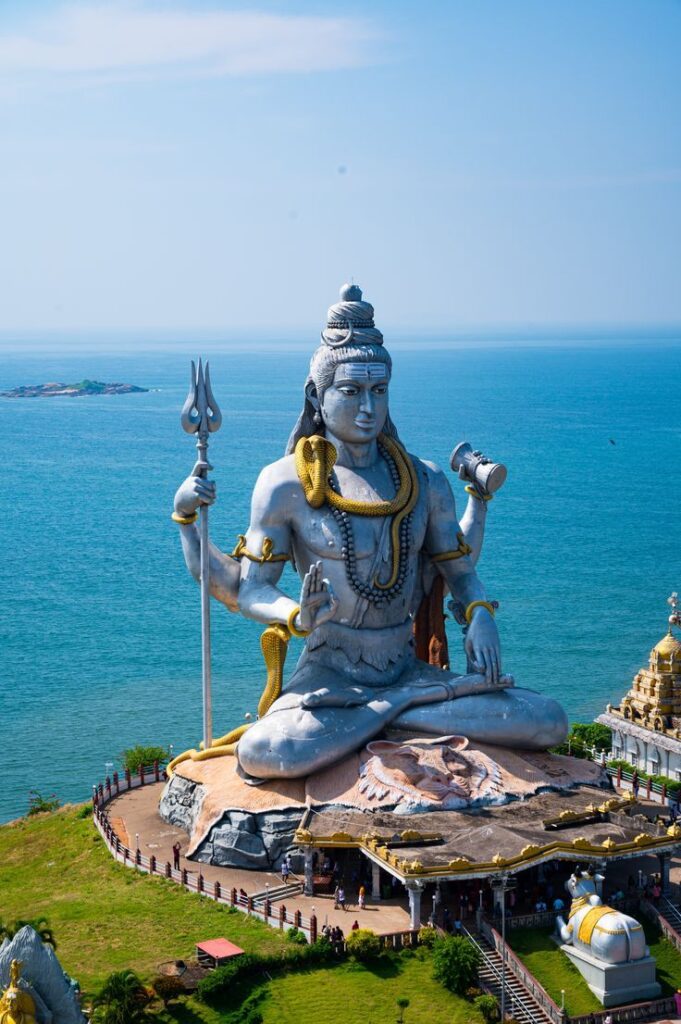
From prasadam to local delights
temple travel is also a great way to explore the cuisine of different places. Most temples offer food called “prasadam,” which is considered sacred and is prepared with devotion. This simple food is said to have a unique taste. Outside the temple, one can try different cuisines, add another dimension to their travel, and help them understand the culture better. Engaging with people, visiting different markets, and understanding their lifestyle is another way to enrich your temple travel experience. These experiences are memories that go beyond sightseeing.
Guruvayour temple
This is because they are the true representation of the culture of the region. Every event is an expression of the rich culture of the region. Festivals are also an excellent way to bring people together. They promote unity and joy, which are essential when one is travelling.
The Guruvayur Temple is a famous Hindu temple located in Guruvayur, dedicated to Lord Krishna and referred to as Guruvayurappan.
The temple is a budget-friendly travel place. This temple is one of the most important pilgrimage centres in Kerala, popularly known as the ‘Dwarka of the South.’ This temple is famous for its traditional practices and celebrations of the festival of Guruvayur Ekadas. Thousands of devotees visit the temple every day to seek blessings.
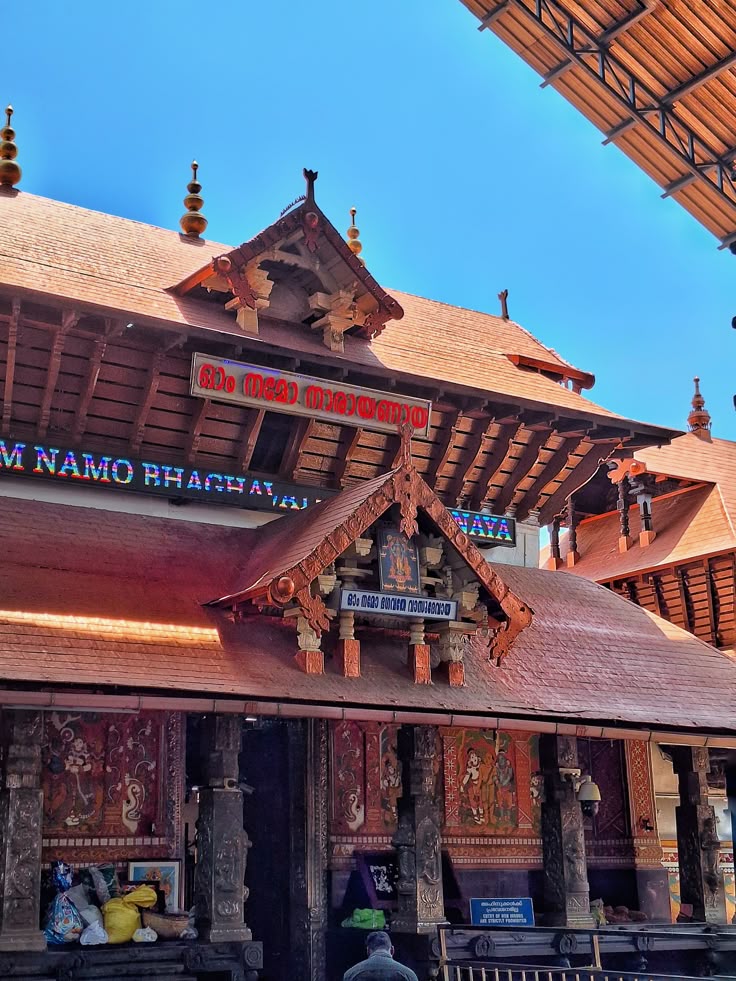
Attukal Bhagavathy Temple
Attukal temple is popularly known as the “Sabarimala of women”, it is dedicated to Goddess Bhagavathy and is world- famous for the Attukal pongala festival. During this festival, millions of women assemble there to prepare offerings, making it one of the largest women’s gatherings in the world. This is an low budget package travel place .
The temple is famous for its colourful celebrations, devotion, and cultural importance. The festival environment has a lot of energy, faith, and unity.
The famous Hindu shrine known as the Attukal Bhagavathy Temple is situated in the city of Thiruvananthapuram. The shrine is dedicated to Goddess Bhagavathy, an avatar of Durga.
The shrine is also famous for the celebration of the Attukal Pongala festival, which has been listed in the Guinness Book of Records for the “largest number of women attending a religious event.” During the celebration of the festival, millions of women prepare an offering known as Pongala.
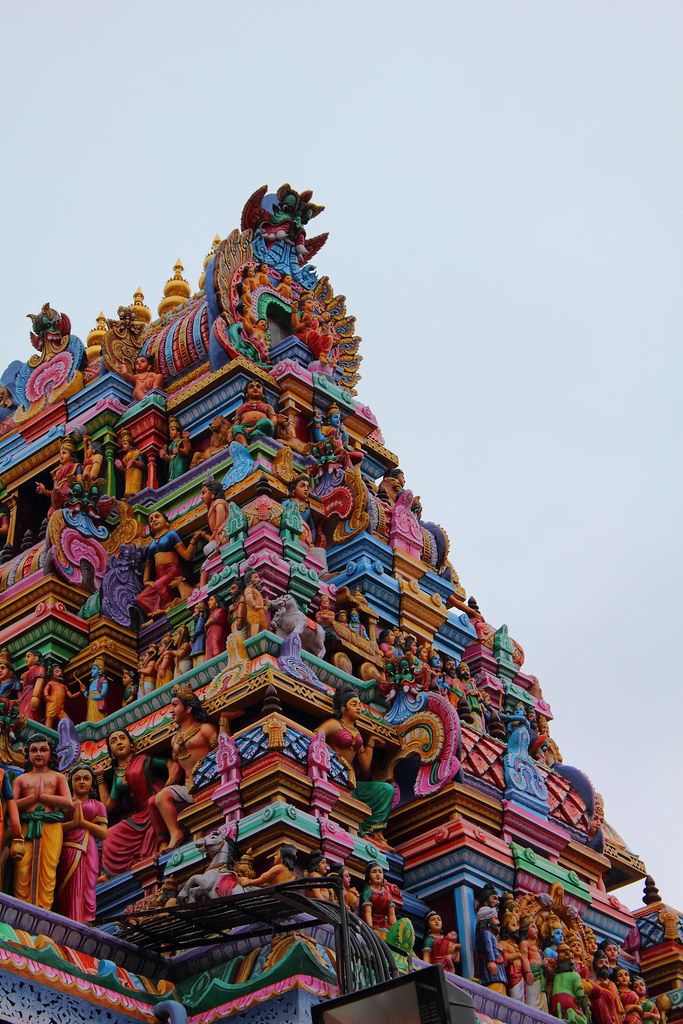
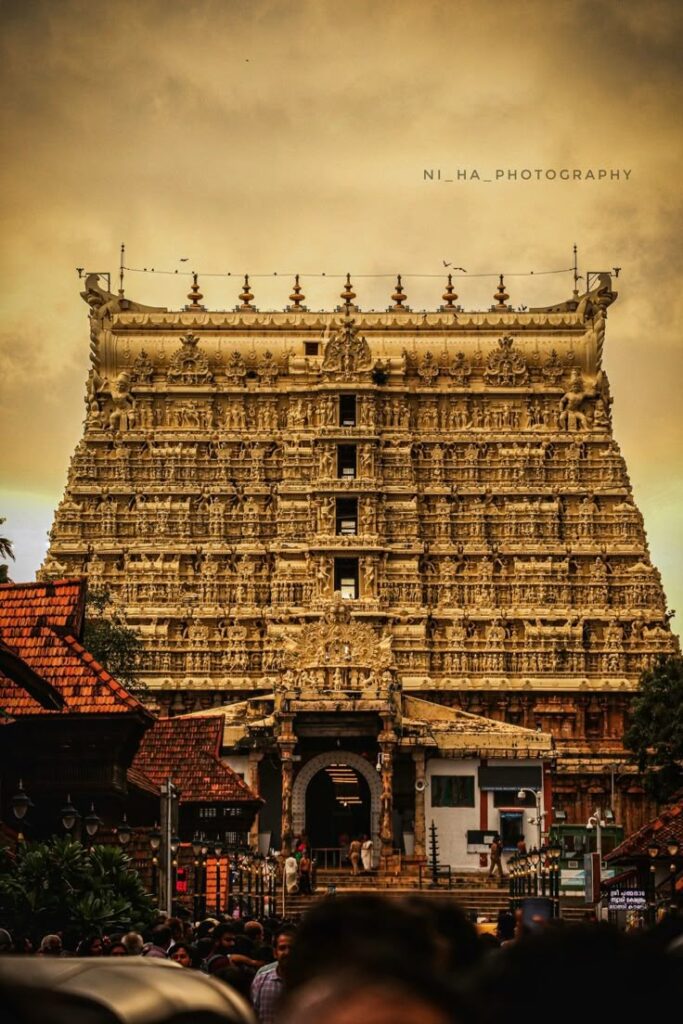
Padmanabhaswamy Temple
The Padmanabhaswamy temple is a famous and ancient Hindus located at Thiruvananthapuram, the capital of Kerala. This is dedicated to Lord Vishnu and is known by the name Padmanabha, which refers to ‘the one from whose navel the lotus springs.’ In this temple, the Lord is depicted in a special posture of reclining on the serpent Anantha, which is known as Anantha Shayanam. This temple is famous due to the special and magnificent architecture of the , which is a blend of traditional Kerala and Dravidian styles of architecture. The idol of the deity is of a very large size and can be viewed through three separate doors depicting the head, middle, and feet of the deity.
There are certain traditions and dress code restrictions that are to be followed while entering the temple by the devotees. Padmanabhaswamy has received world recognition due to the discovery of a huge treasure of wealth in the underground vaults of the and thus has earned the title of being one of the richest temples in the world. This is a symbol of the devotion and richness of the people of Kerala.
These temple come alive with even greater color and beauty during the festivals. Festivals are full of life, piety, and joy. They add to the excitement and significance of the experience. Taking part in the festivals at the temple is an excellent idea when one is traveling. https://payyormala.in/kanyakumari-where-oceans-meet-and-stories-begin/
There’s something quietly powerful about traveling to places built for reflection and devotion. You feel it even before you understand it—the shift in atmosphere, the slower pace, the way people carry a sense of purpose mixed with calm.
My journey began early in the morning, with mist still clinging to the roads and the scent of fresh earth in the air. As I approached the site, intricate carvings and towering structures slowly emerged from the haze, telling stories far older than any guidebook could capture. Every detail, from the smallest sculpture to the grand entrance, seemed to whisper fragments of history.
What struck me most wasn’t just the architecture, but the rhythm of life surrounding it. Locals moved with familiarity and reverence, offering flowers, lighting lamps, or simply sitting in silence. Travelers like me stood in awe, trying to absorb not just the visuals but the feeling—something deeper, harder to define.
Inside, the air felt cooler, quieter. Sounds softened into gentle echoes: footsteps, murmured prayers, the faint ringing of bells. It wasn’t about religion alone; it was about stillness. Even for someone not deeply spiritual, the space invited you to pause, breathe, and just be present.
Outside, life resumed its usual vibrancy. Vendors sold snacks and handmade items, children laughed, and the world felt lively again. Yet something had shifted within me. These places don’t just showcase culture—they create an experience that lingers long after you leave.
Travel isn’t always about ticking destinations off a list. Sometimes, it’s about finding moments that slow you down and connect you to something timeless. And in these sacred spaces, even without fully understanding their traditions, you can still feel their meaning.
Travel has a way of surprising you, especially when you step into places shaped by centuries of faith and artistry. There’s a certain stillness that greets you—one that feels untouched by the rush of modern life.
Some journeys lead you to places that are more than just destinations—they are experiences that stay with you. Visiting a temple during travel is one such experience, where the surroundings naturally guide you into a state of calm and reflection.
I began my journey early in the morning, heading toward an ancient temple known for its timeless beauty. As I approached, the temple slowly revealed itself through the mist, its intricate carvings and towering structure standing as a symbol of history and devotion. The word temple often brings to mind spirituality, but being there felt much deeper than that.
Walking into the temple, I noticed how everything changed. The atmosphere inside the temple was शांत and peaceful, with soft echoes of footsteps and the gentle sound of bells. People moved quietly, offering flowers and lighting lamps, each action filled with meaning. Even as a traveler, I felt connected to the energy of the temple.
The architecture of the temple was breathtaking. Every wall of the temple told a story, with detailed carvings that reflected culture and tradition. It wasn’t just a temple to visit—it was a place to experience. The temple grounds were filled with a sense of balance, where silence and life coexisted beautifully.
As I spent more time in the temple, I realized how travel can be more than just exploring new places. Visiting a temple allows you to slow down, observe, and reflect. The temple environment encourages you to pause and appreciate the present moment.
Outside the temple, life continued with energy. Small shops near the temple sold local items, and visitors shared their experiences. Yet, the calmness of the temple stayed within me, even as I walked away.
In the end, traveling to a temple is not just about seeing a place—it’s about feeling it. A temple offers more than history or architecture; it offers a moment of peace that travelers carry long after their journey ends. And that is what makes a temple visit truly unforgettable.
On another journey, I arrived just as the sun began to rise, casting a golden glow over stone pathways and sculpted pillars. The entire space seemed to awaken slowly, as if it had its own rhythm separate from the outside world. Birds circled overhead, and the faint sound of chants blended with the morning breeze.
Walking through the corridors, I noticed how every surface told a story. Patterns etched into stone, statues frozen in graceful motion, and walls that had witnessed generations come and go. It felt less like visiting a place and more like stepping into a living narrative.
People around me carried offerings—flowers, incense, small lamps—each gesture filled with intention. Some stood with closed eyes, lost in quiet reflection, while others shared smiles and soft conversations. There was a sense of unity, even among strangers, as if everyone understood something unspoken.
As the day grew brighter, the atmosphere shifted. The calm of the morning gave way to a gentle liveliness. Stalls nearby offered local treats, handmade crafts, and souvenirs that reflected the region’s culture. The blend of devotion and daily life created a unique energy—both peaceful and vibrant at once.
What stayed with me long after leaving wasn’t just the beauty of the place, but the feeling it left behind. It reminded me that travel isn’t only about seeing new sights, but also about experiencing new emotions. In these spaces, you don’t just observe—you connect, reflect, and carry a piece of it with you wherever you go.
Some journeys stay with you not because of what you see, but because of what you feel. Traveling to places rooted in devotion offers exactly that kind of experience—one that quietly reshapes your thoughts.
This time, my visit began in the late afternoon. The sun hung low, painting everything in warm shades of orange and gold. As I walked closer, the silhouette of ancient structures stood tall against the sky, their details becoming clearer with every step. The craftsmanship was breathtaking—every curve, every figure, every carving seemed to carry a purpose.
There was a gentle hum in the air, a blend of distant chants, rustling leaves, and the soft footsteps of visitors. Unlike the noise of cities, this sound felt calming, almost meditative. I found myself slowing down naturally, matching the pace of the place.
I sat for a while, simply observing. Families gathered together, elders guided the younger ones, and solo travelers like me absorbed everything in silence. It was a reminder that these spaces are not just about rituals—they are about connection, memory, and continuity.
As evening approached, the entire atmosphere transformed. Lamps were lit one by one, their glow flickering against stone walls, creating a magical play of light and shadow. The air carried the faint scent of incense, and the mood shifted into something deeply serene.
Walking away under the dimming sky, I realized that such journeys don’t demand anything from you. They don’t require belief or understanding—only presence. And sometimes, just being there is enough to leave a lasting impression.
In the end, it’s not about where you go, but how deeply you allow yourself to experience it. And in places like these, the experience has a way of finding you.
There are places you visit, and then there are places that quietly stay with you long after you’ve left. Traveling to spaces shaped by devotion and tradition often feels like stepping into a different dimension—one where time slows and meaning deepens.
I remember arriving on a day filled with soft rain. The pathways were slightly wet, reflecting the towering structures above like a painting come to life. The scent of rain mixed with incense created an atmosphere that felt both grounding and uplifting. It wasn’t dramatic or overwhelming—it was subtle, yet deeply moving.
As I walked further in, I noticed how people interacted with the space. Some moved with quiet intention, while others paused often, taking in every detail. There were moments of silence that didn’t feel empty, but full—like they held countless stories waiting to be heard.
The design of the place seemed to guide you naturally. Wide courtyards opened into narrower passages, leading you from openness into introspection. Light filtered through small openings, creating soft patterns that shifted as the day progressed. It felt almost poetic, as if the structure itself was encouraging reflection.
I found a quiet corner and sat down, letting the atmosphere settle in. There was no rush, no pressure to move on. In that stillness, even the smallest details became meaningful—the flicker of a lamp, the distant echo of a bell, the gentle murmur of voices blending into the background.
When the rain stopped, the world outside seemed brighter, more alive. Stepping back into it felt different, as if I had carried a piece of that calm with me. These journeys aren’t just about exploring new places—they’re about discovering a different pace of life, one that often gets lost in our daily routines.
And maybe that’s the real beauty of traveling to such places. They don’t just show you something new—they remind you of something you didn’t realize you needed.
Not every journey is about adventure or excitement. Some are about quiet discovery—the kind that unfolds slowly, without expectation. Traveling to places shaped by devotion offers exactly that: a gentle invitation to pause and reflect.
I arrived just before dusk, when the sky was caught between day and night. The fading light gave everything a soft, dreamlike quality. Tall structures stood in calm silence, their shadows stretching across the ground as if reaching out to the past.
As I walked in, I noticed how the energy shifted. Conversations became softer, footsteps lighter. It wasn’t something anyone instructed—it just happened naturally. The environment seemed to encourage a kind of awareness that we often overlook in our busy lives.
There was a rhythm to everything. The lighting of lamps, the quiet offerings, the way people paused with closed eyes for a few moments. Even as an observer, I felt drawn into that rhythm. It wasn’t about following any ritual—it was about sharing a moment of stillness with others.
One of the most striking things was how time seemed to lose its urgency. Minutes felt longer, but in a comforting way. There was no rush to move forward, no need to check the clock. For once, being present felt enough.
As night settled in, the space transformed into something almost magical. The glow of countless small lights created a peaceful ambiance, and the air carried a sense of calm that felt almost tangible. It was the kind of experience that doesn’t need explanation—it simply needs to be felt.
Leaving that place, I realized that these journeys aren’t about seeing something extraordinary. They’re about experiencing something deeply human—a connection to silence, to history, and to yourself.
And perhaps that’s why such travels stay with us. Because in a world that constantly asks us to move faster, they gently remind us how to slow down.
Some places don’t ask for your attention—they naturally hold it. Traveling to spaces built around devotion and tradition is less about sightseeing and more about experiencing a shift you didn’t know you needed.
This particular journey began in the quiet of early evening. The sky was painted in soft pastels, and a cool breeze carried the distant sound of bells. As I approached, the structure stood with a quiet confidence—neither overwhelming nor modest, but perfectly balanced in its presence.
Stepping inside, I felt an immediate change. The outside world, with all its noise and urgency, seemed to fade away. In its place was a calm that felt almost unfamiliar at first, yet deeply comforting. The kind of calm that doesn’t demand silence, but gently creates it.
People moved with intention. Some paused to offer flowers or light small lamps, while others simply stood still, eyes closed, as if listening to something within. There was no single way to experience the space, and that was its beauty—everyone found their own connection.
I wandered slowly, taking in the details. The walls were adorned with intricate patterns, each one telling a story shaped by time and belief. The floor, worn smooth by countless footsteps, felt like a silent witness to generations of visitors.
At one point, I sat down and just watched. There was something powerful about observing without trying to interpret. The flicker of light, the gentle echoes, the shared stillness—it all came together in a way that felt complete.
As I stepped back outside, the world felt slightly different. Not changed in any obvious way, but softened somehow. These journeys don’t provide answers or grand revelations. Instead, they offer something quieter—a moment of clarity, a sense of balance, a reminder to simply exist without rushing.
And in the end, that might be the most meaningful kind of travel there is.
There are journeys that fill your camera roll, and then there are journeys that quietly fill your mind. Traveling to places shaped by centuries of devotion belongs to the latter—it’s less about capturing moments and more about absorbing them.
I reached my destination just after sunrise. The world was still waking up, wrapped in a soft golden light. The structure ahead seemed almost timeless, standing gracefully as if untouched by the passing years. Its details revealed themselves slowly—the carvings, the textures, the subtle play of light and shadow.
What stood out immediately was the sense of balance. Nothing felt rushed, nothing felt out of place. People arrived, spent their time in their own way, and left with a quiet sense of fulfillment. Some carried offerings, others simply stood in silence, but everyone seemed to share the same unspoken understanding.
As I walked through the space, I became more aware of the small things—the coolness of the stone beneath my feet, the gentle movement of air through open corridors, the distant sound of bells marking time without urgency. It was a kind of awareness that doesn’t usually come easily in everyday life.
I paused near a corner where light streamed in softly, creating a peaceful atmosphere. Sitting there, I realized how rare it is to find a place that allows you to simply be, without distraction or expectation. There was no need to think ahead or look back—just to exist in that moment.
By midday, the energy had shifted slightly. The calm remained, but there was also a gentle liveliness. Conversations, footsteps, and laughter blended together without disturbing the overall peace. It was a reminder that such places are not separate from life—they are deeply connected to it.
When it was time to leave, I didn’t feel like I was walking away with memories alone. I carried a sense of stillness, something subtle yet meaningful. These journeys don’t change your life overnight, but they leave behind something lasting—a quiet reminder that sometimes, slowing down is the most important step forward.