
At the southernmost tip of India lies a place where three mighty seas embrace each other in a timeless dance—Kanyakumari. It is not just a destination on the map, but a meeting point of nature, culture, and spirituality. Here, the sunrise and sunset are not just daily events—they are spectacles that paint the sky with unforgettable colours.
Kanyakumari is a dream destination for those seeking budget-friendly travel without compromising on beauty and experience. As waves from the Arabian Sea, the Bay of Bengal, and the Indian Ocean collide, you can feel the energy of something vast and eternal. The salty breeze, the rhythmic sound of waves, and the distant silhouette of monuments create an atmosphere that is both calming and powerful. Whether you come seeking peace, beauty, or a deeper connection with nature, Kanyakumari offers an experience that lingers in your heart long after you leave.
The Magic of the Meeting Seas: A Celebration of Harmony and Hope
Kanyakumari is famous for being the confluence of three water bodies—the Arabian Sea, Bay of Bengal, and Indian Ocean. This rare geographical feature gives the place its unique charm.
Standing at the shore, you can sometimes notice subtle differences in the color of the waters. The waves crash against the rocks with a rhythmic force, creating a soothing yet powerful ambiance. It’s a place where you can simply stand still and feel connected to the vastness of the world.
Sunrise in Kanyakumari is especially mesmerizing. As the first rays of the sun emerge from the horizon, the sky transforms into shades of orange, pink, and gold. Sunset, equally stunning, offers a moment of calm reflection as the sun disappears into the endless sea.
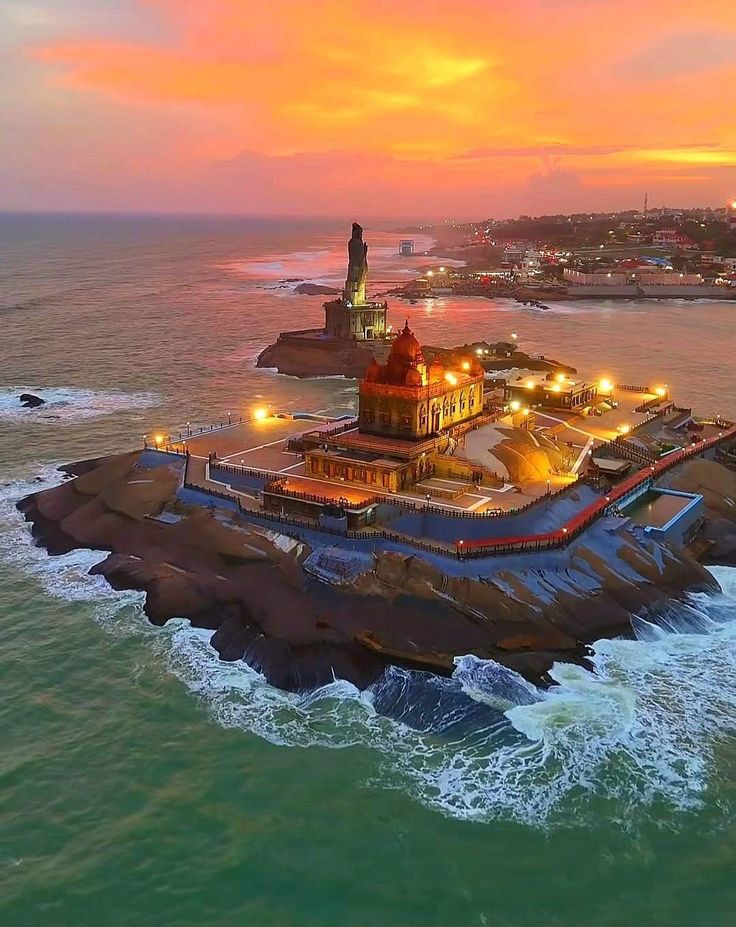
Iconic Landmarks: History and Inspiration
One of the most prominent landmarks is the Vivekananda Rock Memorial, located on a small island just off the coast. It is believed that Swami Vivekananda meditated here, gaining spiritual insight. A short ferry ride takes you to this peaceful monument, where the sound of waves enhances the sense of serenity.
Nearby stands the towering Thiruvalluvar Statue, dedicated to the ancient Tamil poet Thiruvalluvar. Rising above the sea, the statue symbolizes wisdom and cultural pride.
Another important site is the Kanyakumari Temple, dedicated to Goddess Kanyakumari. This temple adds a spiritual dimension to the town, attracting pilgrims from across the country
Beaches and Coastal Charm
The beaches of Kanyakumari are unlike typical sandy shores. Here, rocky landscapes meet crashing waves, creating a dramatic coastal view.
The Kanyakumari Beach is perfect for watching both sunrise and sunset—one of the few places in India where you can witness both over the ocean. The cool breeze and endless horizon make it an ideal spot for quiet reflection and photography.
Culture, Colors, and Local Life
Kanyakumari is a blend of cultures, traditions, and languages. Local markets are filled with seashell crafts, colorful souvenirs, and traditional items that reflect the coastal lifestyle. The people here live in harmony with the sea. Fishing, small-scale trade, and tourism shape their daily lives. As you walk through the streets, you’ll notice a simple yet vibrant way of living that adds to the charm of the place.
https://payyormala.in/a-journey-of-peacediscover-the-true-meaning-travel/Kanyakumari is more than just the southern tip of India—it is a place where nature, spirituality, and culture come together in perfect harmony. From the powerful meeting of three seas to the peaceful presence of landmarks like the Vivekananda Rock Memorial and the majestic Thiruvalluvar Statue, every moment here feels meaningful. If you are looking for a destination that offers beauty, peace, and inspiration all at once, Kanyakumari is waiting for you—where every sunrise brings hope and every sunset leaves a story behind.
A Fake Paradise: The Reality of Kanyakumari
At first glance, Kanyakumari looks like a dream. The meeting point of the Arabian Sea, Bay of Bengal, and Indian Ocean, glowing sunsets, and iconic landmarks create the image of a perfect coastal escape. But beyond the carefully framed photos and travel posts, the reality often feels very different.
What is marketed as a peaceful paradise can quickly turn into an overwhelming experience. Crowds gather in large numbers, especially around sunrise and sunset, turning quiet moments into noisy, congested scenes. Instead of serenity, visitors often find themselves navigating through people, vendors, and constant distractions.
The idea of untouched natural beauty also starts to fade on closer look. Litter along the shore, plastic waste, and signs of neglect remind you that the environment is under pressure. The very place that symbolizes the harmony of three seas is struggling to maintain its own balance.
Commercialization adds another layer to this illusion. Streets lined with shops and persistent vendors create an atmosphere that feels more like a marketplace than a tranquil retreat. The focus shifts from experiencing the place to buying, selling, and moving quickly from one spot to another.
Even iconic attractions like the Vivekananda Rock Memorial and the Thiruvalluvar Statue, while impressive, are often experienced in a rush—surrounded by long queues and limited time, leaving little room for reflection.
“A Fake Paradise” doesn’t mean Kanyakumari has no beauty—it means that its beauty is often hidden beneath layers of crowding, commercialization, and unrealistic expectations. The paradise exists, but not in the way it is commonly portrayed.
For those willing to look beyond the surface—early mornings, quieter corners, and mindful exploration can still reveal moments of authenticity. But without that effort, Kanyakumari risks feeling less like a natural wonder and more like an illusion carefully maintained for the lens.
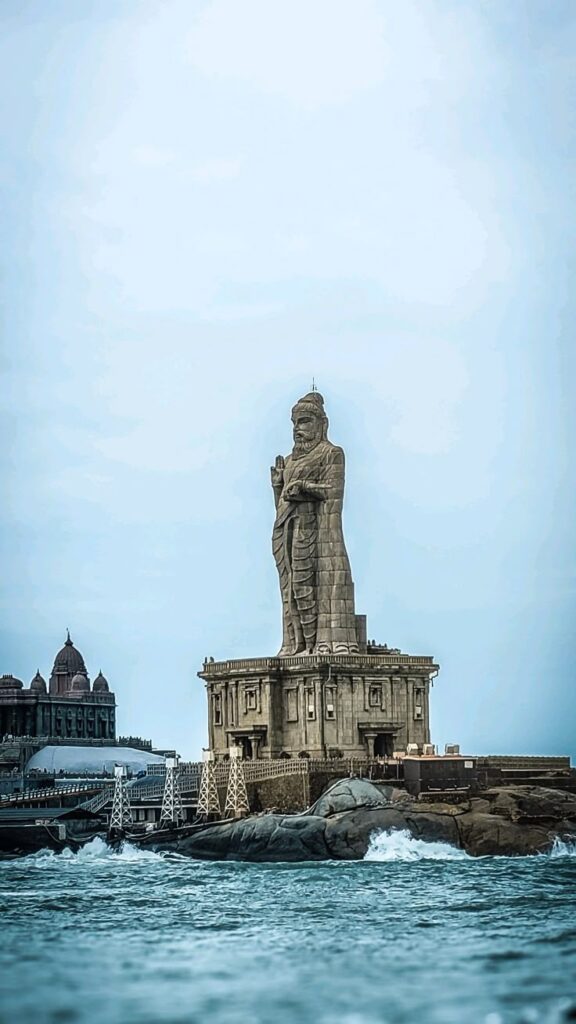
Sunrise, Sunset, and Everything In Between
Few places in India offer both stunning sunrises and sunsets over the ocean. The town’s eastern and western horizons open up to breathtaking views, drawing visitors who gather along the shore to witness the sky transform into shades of gold, orange, and deep blue.
Landmarks That Define the Town
Just offshore stands the iconic Vivekananda Rock Memorial, built on the rock where Swami Vivekananda is believed to have meditated. Nearby rises the towering Thiruvalluvar Statue, dedicated to the classical Tamil poet Thiruvalluvar. These monuments not only add to the scenic beauty but also deepen the cultural and spiritual significance of the place.
The Challenges Beneath the Beauty
Like many popular destinations, Kanyakumari faces its share of challenges. Growing tourism has brought issues like overcrowding, litter, and environmental strain. During peak seasons, the peaceful charm can be overshadowed by noise and congestion, reminding visitors of the importance of responsible travel.
Why Kanyakumari Still Matters
Despite these concerns, Kanyakumari remains a place of unique significance. It’s where nature, culture, and philosophy intersect—where land ends, but stories continue. Whether you’re drawn by its geography, its history, or its symbolism, Kanyakumari offers an experience that stays with you long after you leave.
The Rhythm of Everyday Life
Away from the crowded viewpoints, Kanyakumari has a quieter, more grounded side. Fishermen head out before dawn into the waters of the Indian Ocean, returning with their catch as the town begins to wake. Small tea stalls fill with locals discussing the day ahead, and the scent of salt lingers constantly in the air.
Life here moves at its own pace—less about tourism, more about routine, survival, and tradition.
A Place of Layers and Contrasts
Kanyakumari is full of contrasts. You might witness spiritual devotion at the Kumari Amman Temple in the morning, and by afternoon, find yourself in the middle of a bustling tourist crowd taking photos along the shore.
The calm and chaos exist side by side. The same coastline that feels peaceful at sunrise can become overwhelmingly busy by midday. This duality is part of the town’s identity—it’s not just serene, and it’s not just chaotic. It’s both.
Stories Carved in Stone and Sea
The presence of the Vivekananda Rock Memorial adds a reflective dimension to the place. It’s not just a monument; it represents a moment of transformation in the life of Swami Vivekananda.
Nearby, the towering Thiruvalluvar Statue stands as a tribute to wisdom and literature, watching over the meeting seas. Together, they give Kanyakumari a philosophical depth that goes beyond its natural beauty.
The Impact of Tourism
Tourism has brought both opportunity and pressure. Local businesses thrive during peak seasons, but the infrastructure often struggles to keep up. Plastic waste, overcrowded viewpoints, and constant commercialization can take away from the raw beauty of the coastline.
Why It Stays With You
Kanyakumari isn’t perfect—and that’s exactly why it feels real. It’s a place where beauty and struggle coexist, where nature meets human impact, and where every wave seems to carry a story.
Long after you leave, what stays with you isn’t just the view of three seas meeting—it’s the feeling of standing at the edge of something vast, complex, and deeply human.
The Edge of the Map, The Center of Thought
For centuries, Kanyakumari has drawn travelers, thinkers, and seekers. The meeting point of the Arabian Sea, Bay of Bengal, and Indian Ocean is more than a geographical fact—it’s a metaphor for unity, contrast, and coexistence.
Standing there, you don’t just see the ocean—you feel the scale of it. It has a way of making everyday worries seem smaller, quieter.
The Soundscape of the Shore
Close your eyes for a moment in Kanyakumari, and you’ll notice it’s not silent—it’s layered. Waves crashing against rocks, distant temple bells from the Kumari Amman Temple, voices of tourists, and the hum of local vendors—all blend into a unique rhythm.
It’s not always peaceful, but it’s alive.
The Boat Ride Experience
A short ferry ride takes you to the Vivekananda Rock Memorial. The journey itself can be as memorable as the destination, with waves splashing against the boat and the coastline slowly drifting away behind you.
Once there, the atmosphere shifts. The noise fades slightly, replaced by a sense of stillness. Many visitors sit quietly, looking out at the vast ocean—less like tourists, more like observers.
Colors, Light, and Changing Skies
Kanyakumari is a place of constant visual change. The sea doesn’t look the same twice. The sky transforms hour by hour. Sunrise brings soft pastels, midday sharp blues, and sunset dramatic oranges and purples.
Even the iconic Thiruvalluvar Statue appears different depending on the light—sometimes bold and striking, sometimes silhouetted and calm.
Food, Flavors, and Coastal Simplicity
The food here reflects its coastal roots. Fresh seafood, simple spices, and traditional South Indian meals dominate local menus. Small eateries serve dishes that are less about presentation and more about authenticity.
Eating in Kanyakumari isn’t a luxury experience—it’s a grounded one, tied closely to the land and sea.
A Place That Makes You Think
What sets Kanyakumari apart isn’t just what you see—it’s what you feel. It invites reflection. It encourages you to slow down, to observe, to question.
Why do places like this affect us so deeply?
Maybe it’s the vastness. Maybe it’s the symbolism. Or maybe it’s just the simple act of standing still in a world that rarely stops moving.
Leaving, But Not Really
When you leave Kanyakumari, you carry more than photos. You carry a mood, a perspective, a memory of standing at the meeting point of waters—and perhaps, your own thoughts.
Because in the end, Kanyakumari isn’t just about where the seas meet.
It’s about where you meet yourself.
Unmanaged Rush
Because it’s often treated as a “one-day destination,” many visitors rush through key attractions like the Vivekananda Rock Memorial and Thiruvalluvar Statue without really experiencing the place. This creates a crowded, hurried environment rather than a meaningful one
When the Crowds Take Over
During peak seasons, the quiet charm of Kanyakumari can quickly disappear. The shoreline fills with visitors, viewpoints become packed, and the once-open horizon feels crowded. What should be a peaceful moment by the sea can turn into a rush of noise, movement, and constant distraction.
The experience becomes less about connection and more about navigating through people.
The Strain on Nature
The meeting point of the Arabian Sea, Bay of Bengal, and Indian Ocean is a fragile natural space. Yet, increasing tourism has placed visible pressure on it.
Plastic waste along the shores, pollution in the water, and neglect of coastal ecosystems are growing concerns. The very beauty that attracts visitors is slowly being affected by their presence.
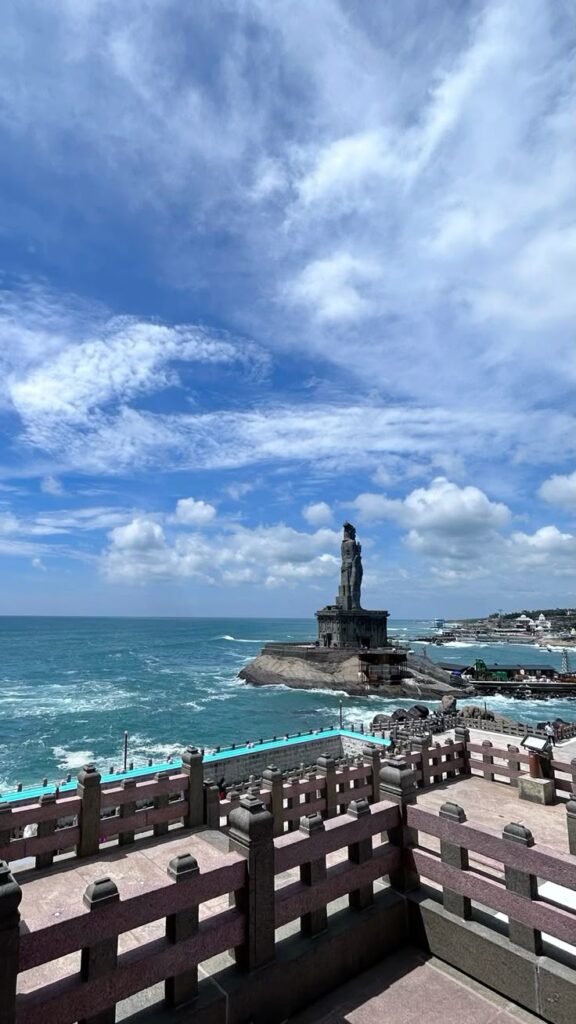
Commercialization vs. Authenticity
Walk along the main areas, and you’ll find rows of shops, stalls, and vendors competing for attention. While this supports local livelihoods, it also changes the atmosphere.
The line between cultural experience and commercial activity starts to blur. Instead of feeling like a coastal retreat, parts of Kanyakumari begin to resemble a busy marketplace.
The Silent Stories of Locals
Behind the tourist-facing side of Kanyakumari are the lives of people who call it home. Fishermen who depend on unpredictable seas. Small shop owners who rely heavily on seasonal income. Families adapting to the changes brought by tourism.
Their stories don’t always make it into travel blogs—but they are just as much a part of the place as the landmarks.
A Different Kind of Beauty
Despite these challenges, Kanyakumari hasn’t lost its essence—it has just become more layered. Its beauty is no longer just visual; it’s emotional and complex.
You see it in the early morning before the crowds arrive.
You feel it in quiet corners away from the main roads.
You understand it when you look beyond the surface.
From Pilgrimage to Tourist Hub
Historically, Kanyakumari was known more as a spiritual destination than a tourist hotspot. Pilgrims visited the Kumari Amman Temple seeking blessings, and the journey itself held meaning.
Now, the nature of visits has shifted. For many, it’s a quick stop—another destination checked off a list. The depth of experience often gives way to speed and convenience.
The Rush of “Must-See” Culture
Modern travel trends have turned places like Kanyakumari into “must-see” locations. People arrive with tight schedules, aiming to catch the sunrise, visit the Vivekananda Rock Memorial, take photos near the Thiruvalluvar Statue, and move on.
In the process, the experience can feel compressed—more about capturing moments than actually living them.
Infrastructure Playing Catch-Up
With the increase in visitors, local infrastructure often struggles to keep pace. Traffic congestion, limited parking, and overcrowded public spaces can create frustration for both tourists and residents.
The town is evolving, but not always fast enough to handle the pressure placed on it.
The Changing Coastal Landscape
The coastline of Kanyakumari is not untouched. Natural wear, combined with human activity, has altered parts of the shore over time. Protective structures, construction, and constant foot traffic are gradually reshaping the environment.
The meeting point of the Arabian Sea, Bay of Bengal, and Indian Ocean remains powerful—but the surroundings tell a story of change.

Not Just a Destination, But a Reflection
Kanyakumari mirrors a larger reality—how places change when they become popular, how beauty attracts pressure, and how culture adapts over time.
It’s not just about what Kanyakumari is becoming, but about how we choose to experience it.
The Responsibility of the Traveler
The future of places like Kanyakumari doesn’t depend only on policies or development—it also depends on visitors.
Choosing to slow down, to respect the space, and to look beyond the obvious can help preserve what makes it special.
A Place That Asks Something in Return
Kanyakumari gives you stunning views, cultural depth, and a sense of perspective. But in return, it quietly asks for awareness—for patience, respect, and understanding.
superb